The Middle East continues to face significant security and political challenges, with developments involving Iran, Gaza, the occupied West Bank, Yemen and Lebanon raising concerns about regional stability, maritime security and the humanitarian situation.
Iran and Gulf maritime security
Tensions surrounding Iran and the Strait of Hormuz remain a major concern for international observers. The strategic waterway is essential to global energy shipments, and any disruption to commercial shipping could have consequences for oil markets and international trade.
Reports of maritime incidents and competing security claims have increased concerns about the risk of further confrontation in the Gulf. Independent confirmation of individual incidents and the circumstances surrounding them remains important.
Gaza and the humanitarian situation
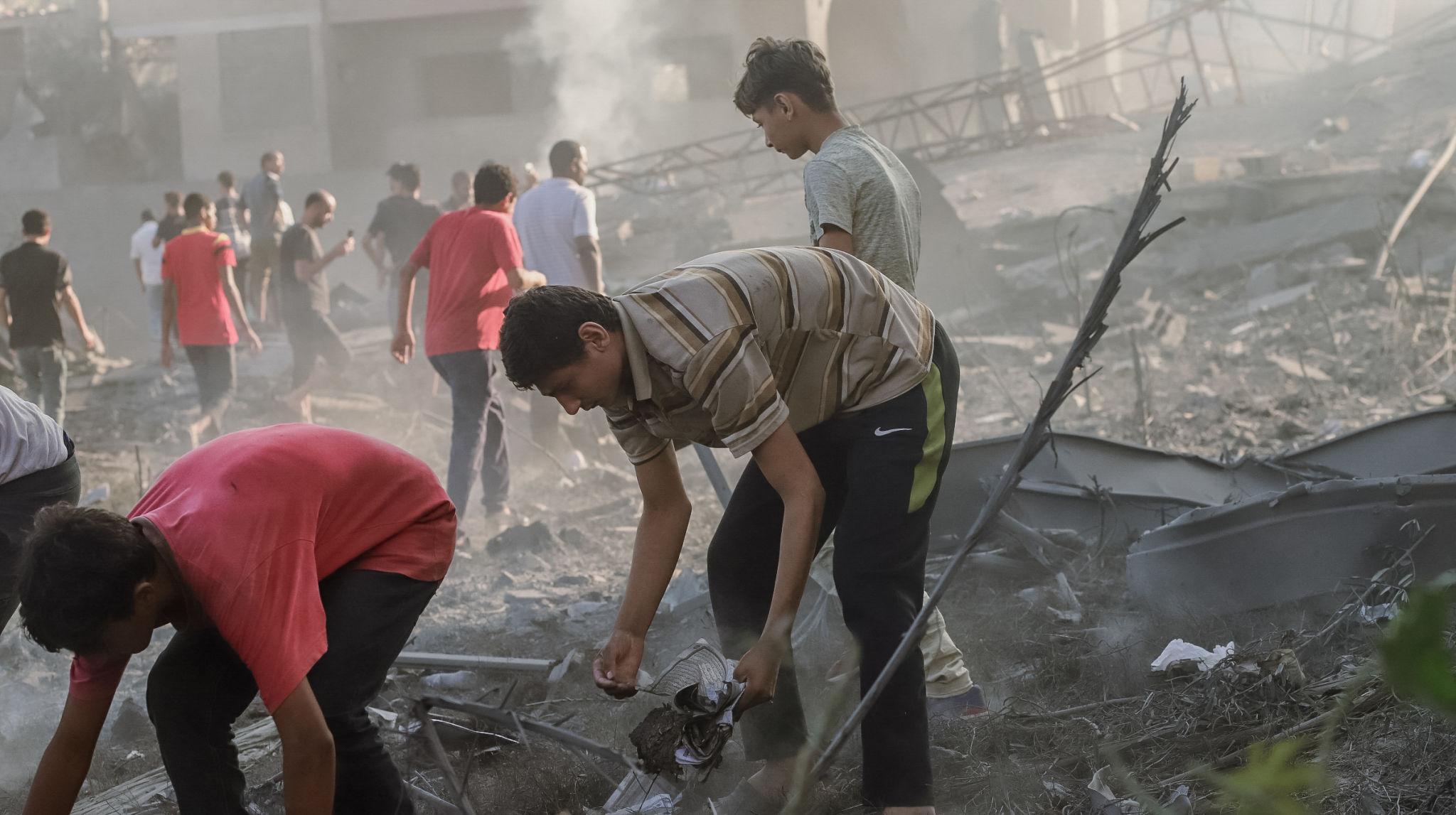
In Gaza, reports of further Israeli strikes have underscored the continuing dangers facing civilians. The humanitarian situation remains a central concern, with renewed violence threatening already vulnerable communities.
Developments in the territory continue to draw international attention to civilian protection, access to humanitarian assistance and efforts to prevent further escalation.
West Bank tensions
In the occupied West Bank, reports of an alleged attack involving foreign diplomats in the Palestinian village of Taybeh have prompted an investigation by Israeli police.
The reported incident comes amid wider concerns about violence affecting Palestinian communities, including during the olive harvest. The allegations require careful verification as investigators establish what happened and who was responsible.
Yemen and Saudi Arabia
Yemen remains another important focus of regional security concerns. Reports of missile incidents involving Aden International Airport and the interception of missiles and drones by Saudi Arabia have raised questions about the potential for further escalation.
Saudi Arabia's security posture and diplomatic contacts with regional partners will remain important factors in determining how the situation develops. Responsibility for individual attacks should not be attributed without reliable supporting evidence.
Lebanon faces continuing challenges
Lebanon continues to confront security pressures associated with tensions involving Israel and Hezbollah, alongside wider economic and infrastructure challenges.
Separately, efforts to restore direct flights between the United States and Lebanon have encountered aviation safety and certification obstacles, according to a Reuters report published on 16 October. Lebanese authorities have said corrective measures are under way.
Regional outlook
Taken together, these developments illustrate the interconnected security challenges facing the Middle East. Maritime routes, civilian safety, cross-border security and diplomatic relations remain central concerns for governments and international organisations.
However, the incidents differ in their circumstances, and they should not automatically be treated as parts of a single coordinated escalation. Further independently verified reporting will be necessary to establish responsibility, assess the scale of each incident and determine whether the regional security situation is deteriorating.