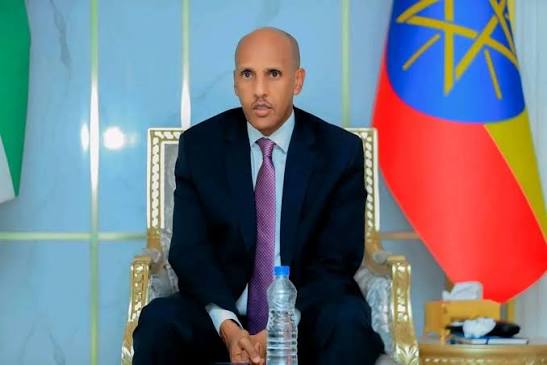
Ethiopia’s government has announced a caretaker administration for the northern Tigray region. Prime Minister Abiy Ahmed named the interim government to stabilise the region and prepare for an election within six months, following weeks of fighting between federal forces and a rebel alliance. The announcement caps an eventful two weeks in Ethiopian politics.
On Friday, the prime minister’s office said the administration would run Tigray for six months so that free and transparent elections could be held. The government also said the leadership of the Tigray People’s Liberation Front (TPLF) had chosen war over peace.
The decision follows a sharp escalation. In April, the TPLF said it was retaking control of Tigray, which effectively ended its peace deal with the federal government. In September, the group launched an offensive with several allied armed groups, aiming to topple the Abiy government. The rebels surrendered in Mekelle in early October, and federal and allied forces entered the regional capital on October 4.
The fighting has raised fears of a return to the earlier conflict. The 2020 to 2022 war killed hundreds of thousands of people. Tigray was outside Addis Ababa’s control and did not take part in the June federal elections.
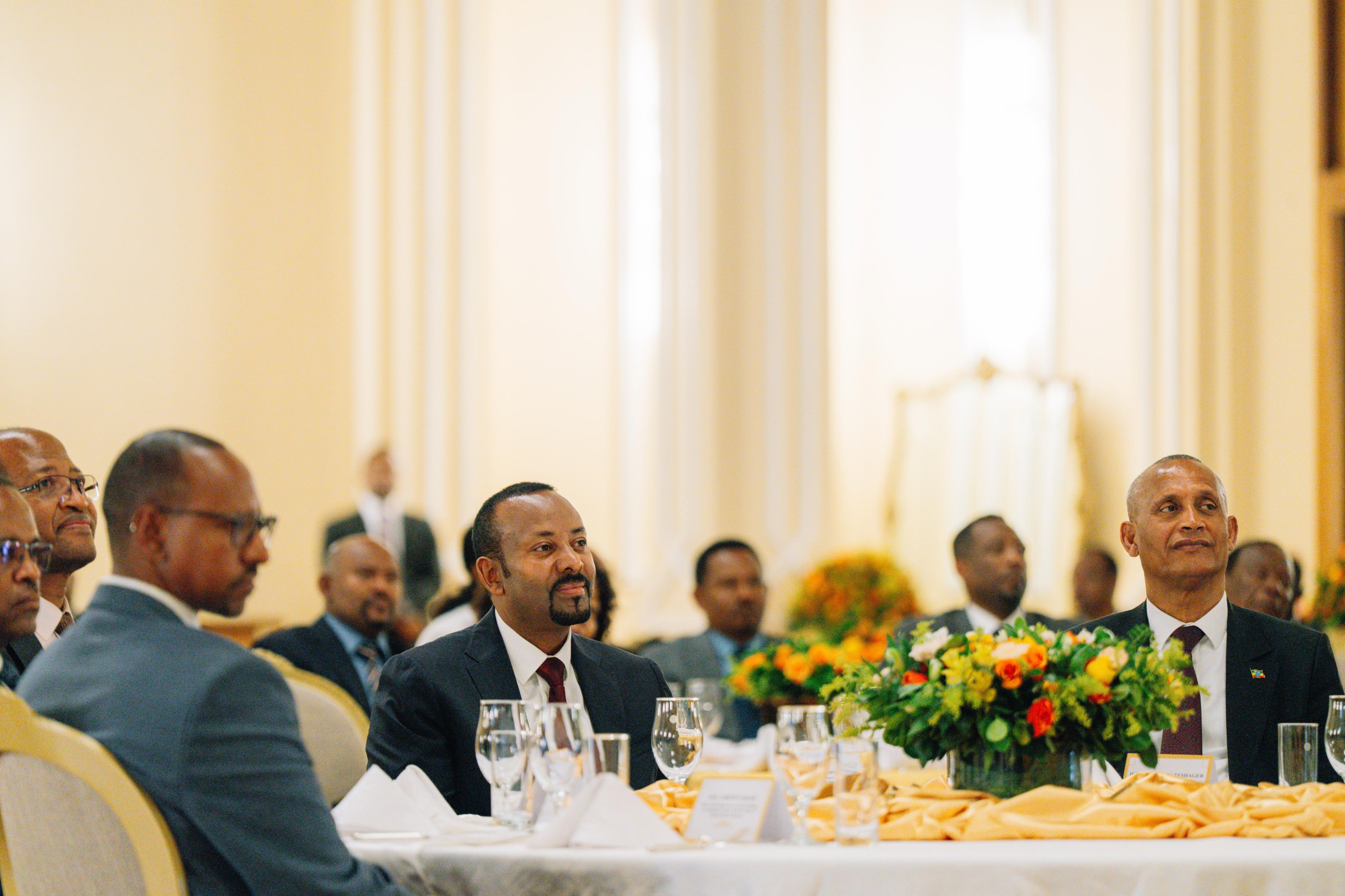
Meanwhile, on October 5, Abiy took the oath of office in Parliament to begin a new five-year term. His Prosperity Party won around 90 percent of federal parliamentary seats in the 2026 general election, and on October 8 Abiy proposed a 22-member cabinet.
In his speech to Parliament, Abiy again said Ethiopia must secure access to the Red Sea, calling it critical to the country’s “civilisation”. Neighbouring states say responsibility for the sea rests with the countries along its shores. Addis Ababa has also accused Eritrea, Egypt and Sudan of backing opposition forces in Tigray, a sign of rising tension across the region.
Observers will be watching who leads the Tigray interim administration and how Tigrayans respond, whether the six-month timeline for elections holds, and whether civilians in the region have safe humanitarian access. They will also be watching whether the dispute over Red Sea access escalates.